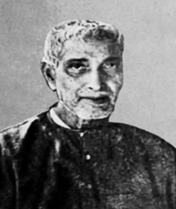
Beni Madhab Das
A distinguished teacher, scholar, educationist and social thinker whose influence extended far beyond the classroom, shaping generations through education, intellectual freedom, and social responsibility.
A distinguished educator whose influence reached far beyond the classroom.
Beni Madhab Das was a distinguished teacher, scholar, educationist and social thinker whose influence extended far beyond the classroom.
Born in the Chittagong region, he served as an educator in several institutions, including Ravenshaw Collegiate School in Cuttack and Krishnanagar Collegiate School. Through his teaching and intellectual engagement, he influenced generations of students and contributed to the wider culture of education and social thought.
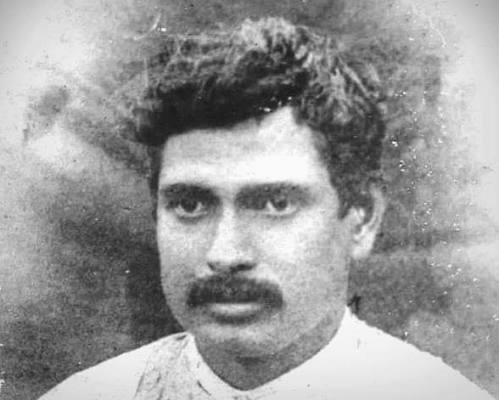

Education rooted in philosophy, history and social thought.
Beni Madhab Das was deeply associated with the Brahmo Samaj and was known for his interest in philosophy, history, economics and social reform.
His intellectual interests extended well beyond conventional academic subjects. His engagement with philosophy and social reform reflected a broader understanding of education as a means of developing independent thought and social responsibility.
As a teacher, he sought to cultivate intellectual curiosity and independent minds among his students, leaving a lasting impression on those he taught.
A teacher who left a lasting impression on young Subhas and the Bose family.
Beni Madhab Das's teaching had a profound influence on many of his students, most famously Subhas Chandra Bose, while also extending to his elder brother, Sarat Chandra Bose.
Subhas Chandra Bose studied under Beni Madhab Das at Ravenshaw Collegiate School in Cuttack. Their teacher-student relationship became an important part of Subhas's early intellectual development, with Das's approach to education going far beyond the transmission of academic knowledge.
Das's engagement with philosophy, history, economics, and social questions encouraged students to think about society, morality, and their responsibilities towards others—setting Subhas on a wider intellectual journey into public life.
Furthermore, Beni Madhab's connection with the Bose family was broader than his relationship with Subhas alone, as he was also associated with the education of Sarat Chandra Bose. Sarat went on to become a barrister and an important political figure in Bengal, serving as a pillar of support to his younger brother.
Beni Madhab Das thus occupies a distinctive place in the educational history of the Bose family, connecting his teaching directly with two brothers who would later play significant roles in India's freedom struggle and political history.
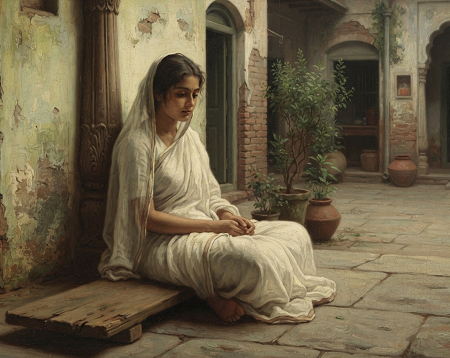
Empowering Hindu widows and founding the ashram.
Driven by reformist zeal, Master Moshai and his wife, Sarala Devi, committed themselves to the upliftment and empowerment of Hindu widows.
Sarala Devi served as the true driving force behind their grassroots activism. In 1927, their vision materialized into an ashram dedicated to shelter, education, and independence for vulnerable women. As the number of resident women grew rapidly, Master Moshai sought out assistance, approaching Subhas Chandra Bose—who was then serving as the Mayor of Calcutta—to secure crucial land for the expanding sanctuary.
Creating a home where education and independent thought could flourish.
At home, Beni Madhab and his wife Sarala Devi created an atmosphere of intellectual freedom and social responsibility.
Their daughters were encouraged to pursue education and develop independent minds. The values of learning, social responsibility and intellectual freedom became an important part of the family's identity.
Their daughters Kalyani Das and Bina Das subsequently became associated with the freedom movement. Rather than discouraging their commitment to the national cause, the family environment gave them the courage to follow their convictions.
The family's story therefore intersected with two important currents of the period: social reform and India's growing movement for independence.

Connecting education, social reform and nationalist consciousness.
Beni Madhab Das represents an important link between education, social reform, intellectual freedom and the awakening of nationalist consciousness in Bengal.
His legacy can be understood not only through his work as an educator and scholar, but also through the intellectual environment he created for his students and his family.
His students included members of the Bose family who would later occupy significant places in India's political history. At home, his daughters Kalyani Das and Bina Das also became associated with the freedom movement.
Through teaching, family life and engagement with social reform, Beni Madhab Das helped create an environment in which education and independent thought could become foundations for wider social participation.
Discover the family legacy
Learn more about Sarala Devi, Kalyani Das, and Bina Das, whose lives continued the family's traditions of education, social service and public engagement.