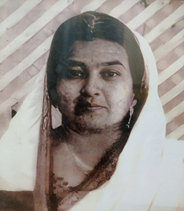
Sarala Devi
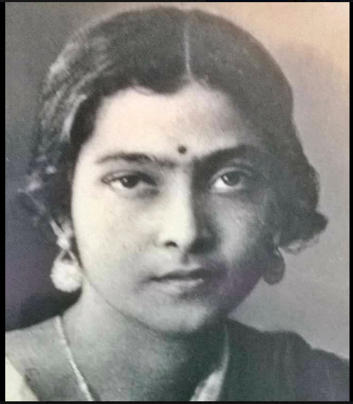
Sarala Devi pioneered women’s empowerment through education, dignity, independence, and social welfare, founding Sarala Punnyasram.
Sarala Punyashram brings together the memory of Bengal’s social awakening, India’s freedom struggle and a continuing commitment to women’s empowerment, education and public service.
Sarala Punyashram was established in 1929 with the vision of Sarala Devi, a dedicated social worker committed to providing care and support to destitute and helpless women. The institution was named after Sarala Devi and grew from her commitment to social welfare and humanitarian service.
Her husband, Beni Madhab Das, supported the initiative, while their daughters, Bina Das and Kalyani Das, became closely associated with its development and activities. Over the decades, Sarala Punyashram has continued this legacy of compassion, shelter, dignity, and service to society.
Today, its history remains closely connected with Bengal’s social reform and humanitarian traditions, carrying forward a legacy that began nearly a century ago.
“How can a society hope to move forward when it leaves its women behind without education or privilege?”
-- Sarala Devi
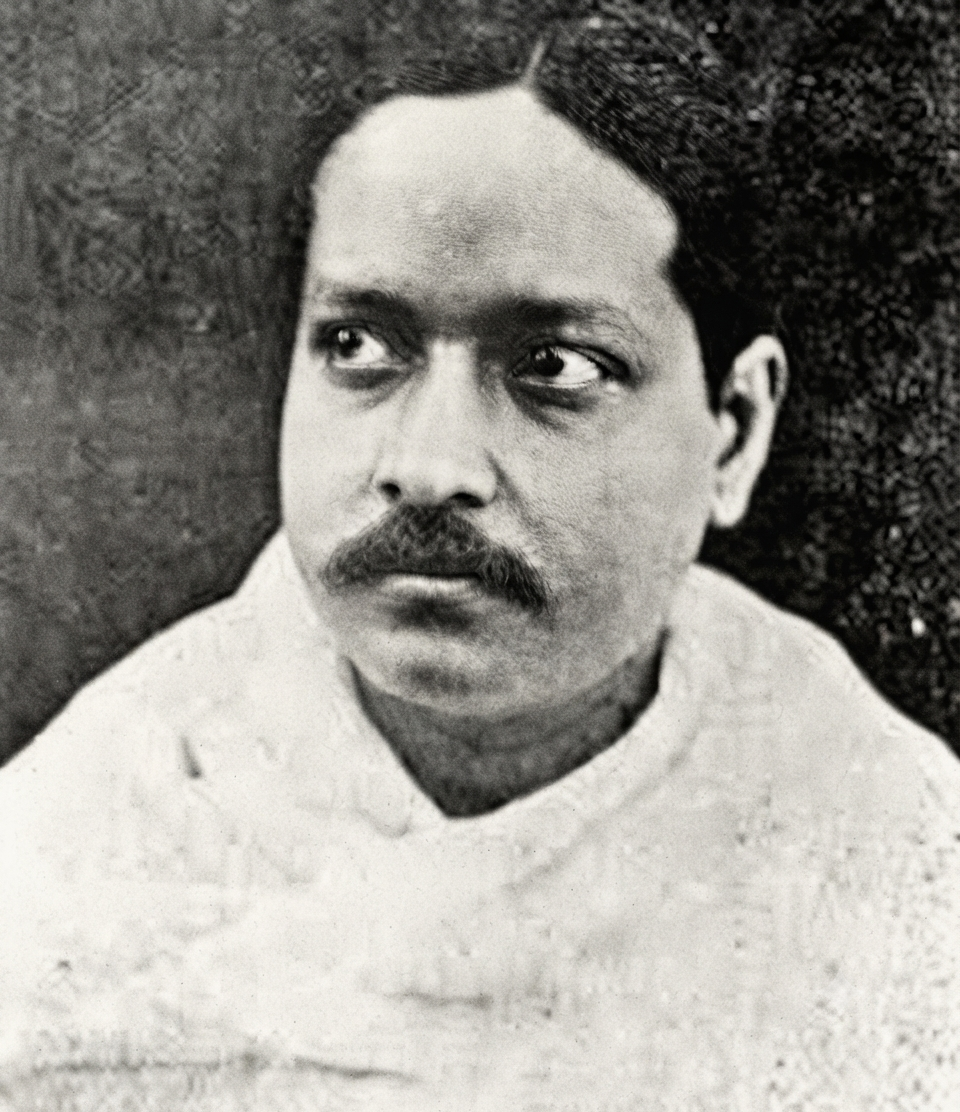
Beni Madhab Das (1866–1952) was an influential Bengali scholar, educator, and patriot during the British colonial era in India.
He was deeply associated with the Brahmo Samaj and was known for his interest in philosophy, history, economics and social reform. His teaching had a profound influence on many of his students, most famously Netaji Subhas Chandra Bose, who regarded him as an important influence during his formative years. As a mentor and supportive pillar behind Sarala Devi's vision, his dedication to education and national consciousness helped shape generations of leaders and freedom fighters in Bengal.
Read full biographyHonouring women whose courage, service and conviction continue to inspire generations.
Sarala Devi pioneered women’s empowerment through education, dignity, independence, and social welfare, founding Sarala Punnyasram.
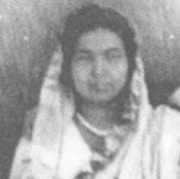
Kalyani Das championed women’s education, organised student activism, served society, and contributed significantly to India’s freedom struggle.
Bina Das embodied courage and resistance, fearlessly challenging British rule and inspiring generations through sacrifice, conviction, and writing.
Founded in 1929, Sarala Punyashram carries forward a legacy of social reform, women's empowerment, education and community service. From providing shelter and self-reliance opportunities to women and children to creating educational and livelihood programmes today, the Ashram continues to serve the community with dignity and compassion.
Sarala Punyashram was founded in 1929 by the revered couple Acharya Benimadhab Das and Smt. Sarala Devi with the noble aim of offering shelter and a path towards self-reliance for helpless women, destitute children and orphans.
Acharya Benimadhab Das is remembered as the teacher and mentor of Netaji Subhas Chandra Bose and as a distinguished social reformer. The present location of the Ashram was allotted during Netaji's tenure as Mayor of Kolkata.
Their daughters also became an important part of Bengal's history. Revolutionary Bina Das was a fearless participant in India's freedom struggle, while her elder sister freedom fighter Kalyani Das contributed to the Ashram's work and served as the first Secretary of its Executive Committee.
Initially known as "Punyashram", the institution was legally registered as "Sarala Punyashram" in 1940. It received Government of West Bengal grants in 1970 and again in 1974 through its Cottage Scheme.
Explore Our HeritageThe Ashram's present activities build upon its founding values while responding to the educational, livelihood, healthcare and social needs of the surrounding community.
Free and low-cost health outreach is supported through diagnostic services, medicines and screening partnerships, helping make essential healthcare more accessible to communities in need.
Tailoring, stitching and handloom training provide women from marginalized and underprivileged communities with practical skills and pathways towards supplementary or home-based income.
Children receive free tuition along with painting, music, dance, computer literacy, library activities and creative learning through clay modelling, origami and summer camps.
Cultural celebrations, adult education, volunteering, heritage remembrance and community activities create a safe and inclusive space for women and children from diverse backgrounds.
The stitching unit trains women in sewing, stitching and garment-making, with emphasis on professionalism, practical skills and small-enterprise readiness. The programme is designed to support supplementary and home-based income.
The handloom unit provides training in loom operations, thread preparation, design basics and fabric making, while developing practical skills that can support small-scale and home-based livelihood opportunities.
Sarala Punyashram believes that education extends beyond textbooks. Children are encouraged to explore creativity, culture, technology and play through a range of activities.
Through education, cultural activities and community service, the Ashram continues to create a welcoming space for women, children and families from diverse backgrounds.
Basic adult education helps local women develop essential literacy and numeracy skills.
The Ashram observes Republic Day, Netaji's Birthday, Independence Day, Bhasha Dibas, Holi, Raksha Bandhan, Women's Day and Children's Day.
Baishakhi, Barshamangal and Magh Utsab are among the seasonal and cultural occasions celebrated at the Ashram.
Philanthropic activities include distributing clothes and blankets to women in need and notebooks and writing materials to children.
Current and proposed initiatives can be managed from the CMS and presented as measurable programmes.
Preservation, training, production and market access for Bengal handloom and traditional textile heritage.
Affordable and accessible diagnostic and preventive healthcare support for underserved communities.
Educational support and opportunities for disadvantaged children.
Skills, entrepreneurship, leadership and cultural programmes inspired by the institution’s heritage.
Support heritage preservation, women’s empowerment, education, healthcare and livelihood initiatives.